


Witch Trials, Haunted Past, and the Power of Tourism
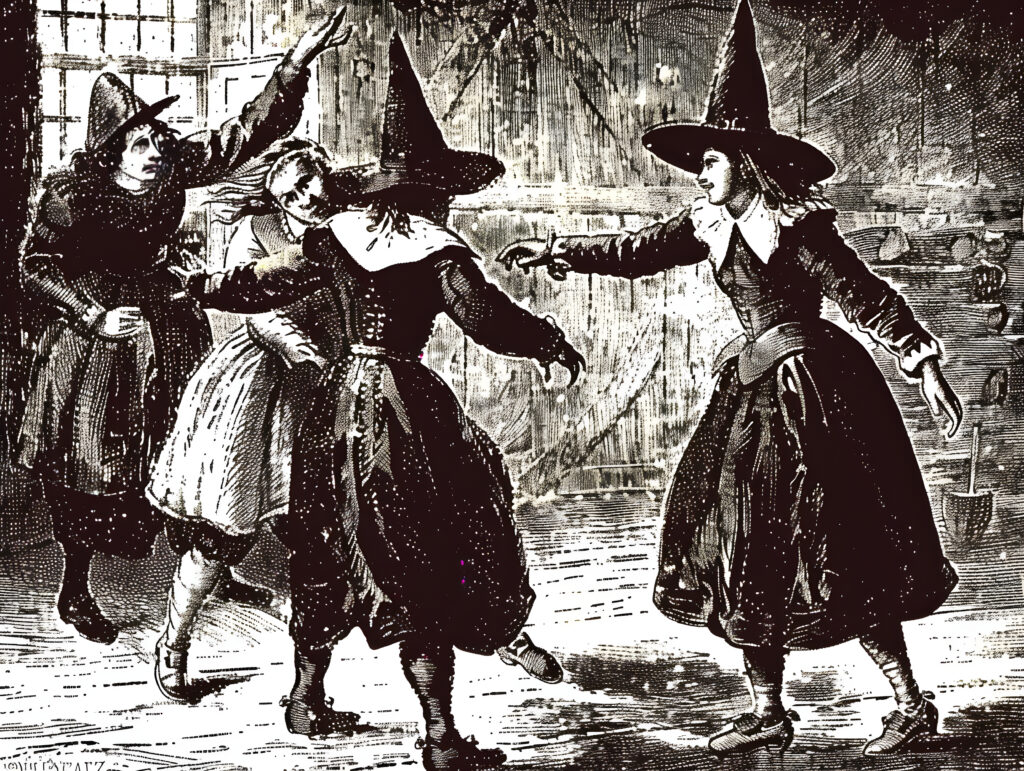
You don’t just visit Salem—you feel it.
The moment your feet hit those old cobblestone streets, something shifts. The air is a little heavier. The energy? Unmistakably different. It’s not just the colonial architecture or the witch hats in every storefront. It’s that in Salem, Massachusetts, the past never really left. It lingers. It whispers. And in some places, it screams.
Salem isn’t your typical historic New England town. It’s a place defined by tragedy and myth, and today, it fully leans into that legacy. The 1692 witch trials may be over 300 years in the past, but they still shape the soul—and the economy—of this eerie, enchanting city.
Let’s start where it always starts: the witch trials.
In 1692, what began with two young girls in Salem Village (now Danvers) claiming to be cursed by witches turned into one of the darkest moments in early American history. Over the course of just a few months, more than 200 people were accused of witchcraft. Nineteen were hanged. One man, Giles Corey, was pressed to death with stones. Dozens more languished in prison, and countless others had their reputations and families destroyed.
It’s easy to point fingers at superstition or Puritan beliefs, but the truth is more layered. Fear, politics, greed, and deep-rooted community tensions all came to a head in a small, rigid society. The Salem witch trials weren’t just about witches—they were about control, power, and the danger of letting fear rule.
By the end of the hysteria, even the courts admitted they’d gone too far. The damage, of course, was already done. But in an odd twist of fate, that damage would eventually turn Salem into something entirely unexpected: a haunted hub of history, tourism, and yes—money.
From Shame to Spotlight
For a long time, Salem didn’t like to talk about the witch trials. The town moved on. It became a wealthy port city in the 18th and 19th centuries, known for maritime trade, not witchcraft. But you can’t run from something like that forever.
By the 20th century, the story of the witch trials was back—this time in books, plays, and pop culture. Arthur Miller’s The Crucible used Salem as a metaphor for McCarthyism. The 1970s TV show Bewitched filmed an entire arc in the city. And suddenly, witches were cool again.
The town started to see the potential. Haunted tours popped up. Witch-themed shops opened. Museums were built. And every October, the crowds got bigger.
Fast forward to today: Salem’s identity is inseparable from its spooky past. But instead of being weighed down by history, the city has flipped the script. It’s made a living—literally—off the very thing that almost tore it apart.
Let’s be real: Salem is a Halloween town year-round, but October? October is next level.
The entire city transforms for “Haunted Happenings,” a month-long celebration that includes parades, street festivals, psychic fairs, costume balls, horror film screenings, and ghost tours on nearly every corner. Think New Orleans at Mardi Gras—only with more capes, candles, and cauldrons.
All that spooky fun isn’t just good vibes. It’s good business.
Tourism is one of the biggest pillars of Salem’s economy. Nearly a million people visit the city each year, most drawn by its haunted reputation. That influx supports hotels, restaurants, retail shops, museums, and an entire ecosystem of witchy entrepreneurs.
You’ll find everything from hand-poured spell candles and tarot card readings to locally made potions and broomsticks (yes, real broomsticks). There’s a mystical-meets-main-street vibe to Salem that you won’t find anywhere else.
And while some criticize the commercialization, others argue that Salem has found a way to keep its story alive in a way that’s accessible, educational, and empowering.
You can’t throw a crystal in Salem without hitting a haunted location. Whether you’re a full-on ghost hunter or just in it for the vibes, there are places in this town that will absolutely make your skin crawl.
Also known as the Jonathan Corwin House, this is the only building still standing with direct ties to the witch trials. Judge Corwin lived here, and the house’s dark, brooding exterior pretty much dares you to walk in. Inside, it’s all 17th-century artifacts and cold air that feels like it shouldn’t be there. Many swear it’s haunted. Honestly? It probably is.
Thanks to Nathaniel Hawthorne’s novel, this place has a permanent spot in American gothic lore. Built in 1668, the mansion has creaky floors, hidden staircases, and that heavy, old-world atmosphere that makes you feel like you’re being watched. Reports of shadowy figures and whispering voices are common. Also? The ocean view is incredible.
This one’s a must-see. It’s one of the oldest cemeteries in the country, and several key figures from the witch trials are buried here, including Judge Hathorne (Hawthorne’s ancestor). People talk about strange lights, sudden cold spots, and the kind of silence that makes you uneasy. The stones are weathered and tilted, like they’re trying to speak.
This is supposedly where Giles Corey met his grisly end—crushed to death for refusing to confess. Legend has it that his ghost appears before disasters in Salem. Whether you believe that or not, this cemetery feels different. Off the beaten path. More raw. More personal.
If you’re brave (or foolish), book a night in Room 612. This historic hotel has been the site of countless paranormal investigations. Guests report everything from lights turning on and off to invisible hands tugging at the sheets. Even the staff has stories.
Not all witches are stories in dusty history books. Salem is home to a vibrant community of modern witches—Wiccans, Pagans, and spiritual practitioners who proudly reclaim the word that once meant death.
Walk around town and you’ll see real witches running shops, leading rituals, offering workshops, and guiding visitors through their first spellwork. Many of them see their work as part education, part empowerment. They’re here to help people reconnect with nature, spirit, and self.
But they’re also very aware of the balance Salem tries to strike—between honoring the past and turning it into a tourist attraction. Some are frustrated by the way witchcraft is packaged and sold. Others embrace the attention as a way to rewrite the narrative.
At the heart of it all is this: Salem doesn’t just attract people who want to look spooky. It draws those who feel different, those who are looking for a little magic, and those who know what it’s like to be misunderstood.
Remembering the Real Victims
Amid the fun and festivities, Salem hasn’t forgotten what started it all.
At the edge of the Old Burying Point Cemetery sits the Salem Witch Trials Memorial—a quiet, powerful tribute to the 20 people who lost their lives. Stone benches bear their names and final words: “I am no witch.” “God knows I am innocent.” It’s a sobering contrast to the haunted hayrides and tarot shops, but an important one.
The memorial is a reminder that this isn’t just a playground of the paranormal—it’s sacred ground. A place where fear turned deadly, and where stories still matter.
Salem is a city of contradictions. It’s tragic and thrilling. Somber and spectacular. It’s a cautionary tale wrapped in a costume party. A place where you can grab a pumpkin latte, buy a spellbook, walk through a haunted house, and then stand in silence at the site of a historic injustice—all in one afternoon.
But most of all, Salem is real. It owns its scars. It honors its ghosts. And it invites everyone—believer or skeptic, local or tourist, witch or mundane—to walk its winding streets and feel something.
Because in Salem, you will feel something. And maybe, just maybe, something will feel you back.