


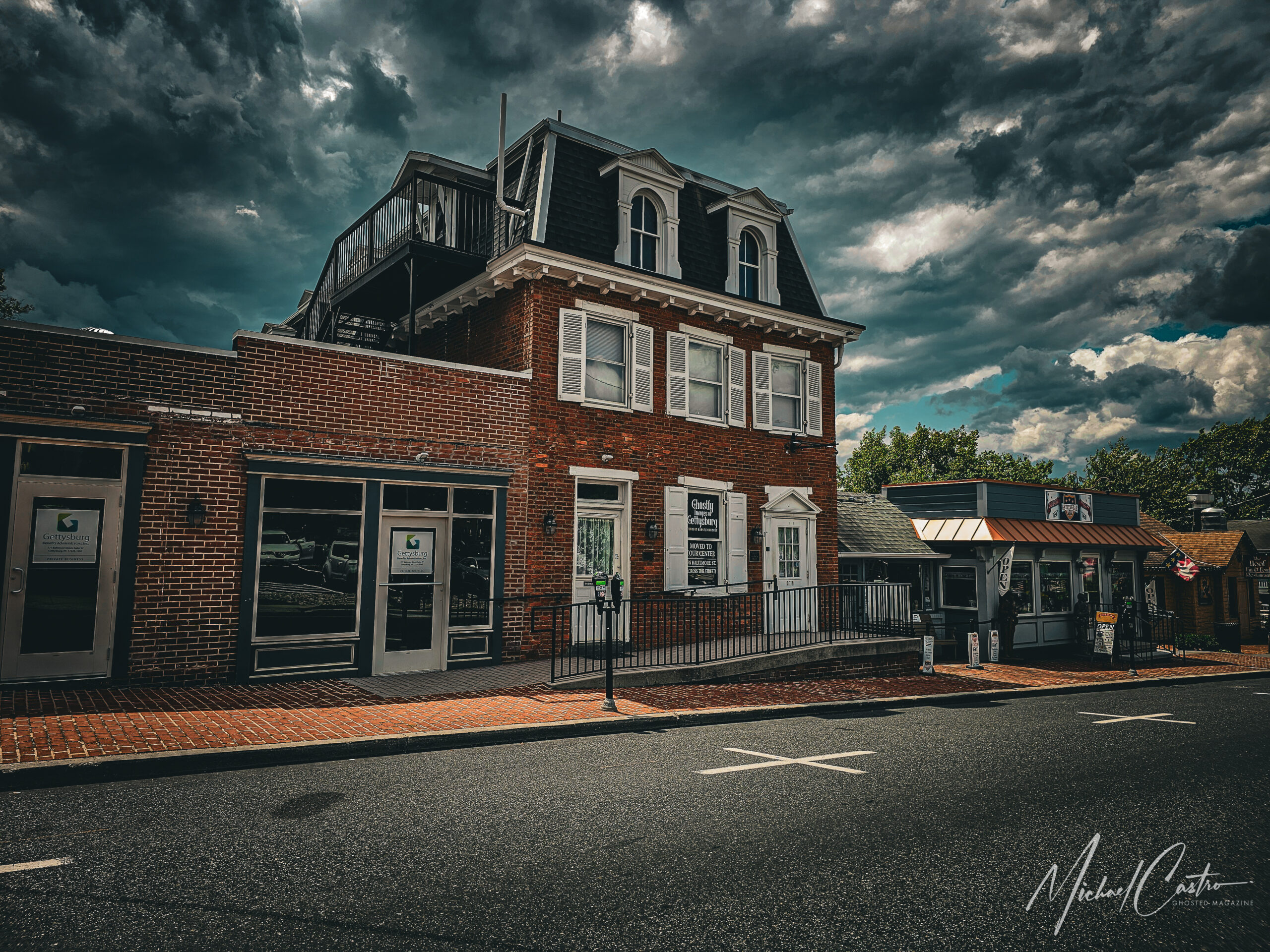
The Orphanage
Before you start reading, I want to apologize to the Orphanage. In the editorial print of the Magazine, I misspelled the location name.
The crazy thing is that this particular issue, prior to print, went to 2 editors and we all missed it.
I apologize to the owners and operators of this amazing location for our mistake.
The Soldiers’ National Orphan Homestead, commonly known as the Gettysburg Orphanage, is a significant historical site in Gettysburg, Pennsylvania. Founded in the aftermath of the Civil War, the orphanage played a crucial role in caring for the children of fallen Union soldiers. This site offers a poignant glimpse into the social history of post-war America, highlighting the nation’s efforts to support the families of those who made the ultimate sacrifice. Over the years, the Gettysburg Orphanage has also become known for its alleged hauntings, contributing to its rich historical and cultural legacy.
The Gettysburg Orphanage was established in 1866 by Dr. John F. Bourns, a Philadelphia philanthropist and a former surgeon in the Union Army. Dr. Bourns was moved by the plight of the numerous children left fatherless by the Civil War and sought to create a safe haven for them. He purchased a property on Baltimore Street in Gettysburg, which had been used as a hospital during the Battle of Gettysburg, and repurposed it as the Soldiers’ National Orphan Homestead.
The orphanage was officially dedicated on November 20, 1866, with a ceremony that included speeches and patriotic songs. The event was attended by prominent figures, including Governor Andrew Curtin of Pennsylvania, who was known for his support of soldiers and their families. The orphanage was intended to provide not only shelter but also education and moral guidance for the children in its care.
The orphanage aimed to create a structured and nurturing environment for its residents. The children followed a strict daily routine that included chores, academic lessons, and religious instruction. Education was a key focus, as it was believed to be essential for the children’s future independence and success. The curriculum included reading, writing, arithmetic, and moral education.
Despite its noble intentions, the orphanage faced numerous challenges. Funding was often inadequate, and the institution relied heavily on donations and the goodwill of the community. Additionally, the psychological trauma experienced by many of the children, who had lost their fathers and witnessed the horrors of war, made their adjustment to orphanage life difficult.
In 1869, Rosa Carmichael was appointed as the matron of the Gettysburg Orphanage. Her tenure became infamous due to allegations of severe abuse and mistreatment of the children under her care. Reports emerged that she employed harsh disciplinary measures, including physical punishment and solitary confinement.
The conditions at the orphanage under Carmichael’s supervision sparked outrage and led to an investigation. Witnesses, including former residents and local citizens, testified about the mistreatment and inhumane conditions. Accounts described children being chained in the basement, beaten, and subjected to extreme punishment.
The investigation resulted in Carmichael’s departure, and the orphanage underwent significant changes in its administration and policies. Efforts were made to improve the living conditions and treatment of the children. Despite these efforts, the orphanage’s reputation remained tarnished by the abuses that had occurred.
By the 1870s, the need for the orphanage began to decline as the children grew older and other support systems were established. The orphanage closed its doors in 1877. The building went through various uses over the years, including being a private residence and a museum.
Today, the Gettysburg Orphanage is preserved as part of Gettysburg’s rich historical heritage. It is a popular site for historical tours, offering visitors insights into the experiences of the children who lived there and the broader social history of the post-Civil War period.
The Gettysburg Orphanage is widely reputed to be haunted, with numerous reports of paranormal activity. Visitors and paranormal investigators have reported hearing children’s voices, seeing apparitions, and experiencing unexplained phenomena, particularly in the basement where the alleged abuse took place.
The orphanage is a popular destination for ghost tours and paranormal investigations. These tours often focus on the stories of the children and the infamous tenure of Rosa Carmichael, blending historical facts with accounts of supernatural occurrences. The combination of documented history and alleged hauntings makes the orphanage a compelling site for those interested in both history and the paranormal.
The Gettysburg Orphanage serves as an important educational resource, shedding light on the post-war challenges faced by the nation and the efforts to care for the children of fallen soldiers. It provides a human perspective on the aftermath of the Civil War, complementing the military history of the Battle of Gettysburg.
The orphanage’s story is a testament to the complexities of American history, encompassing themes of charity, trauma, and the darker aspects of human behavior. Its preservation and interpretation contribute to a deeper understanding of the social fabric of 19th-century America and the long-term impacts of the Civil War.
The Gettysburg Orphanage holds a significant place in American history, reflecting the nation’s efforts to support the families of soldiers in the aftermath of the Civil War. Its history is marked by both noble intentions and dark chapters, offering a comprehensive view of the challenges faced by orphans and the society that sought to care for them. The site’s preservation and its reputation for paranormal activity continue to draw visitors, ensuring that the stories of the children and the broader social history of the period are remembered and honored.